

How to Repair a Blocked Downpipe
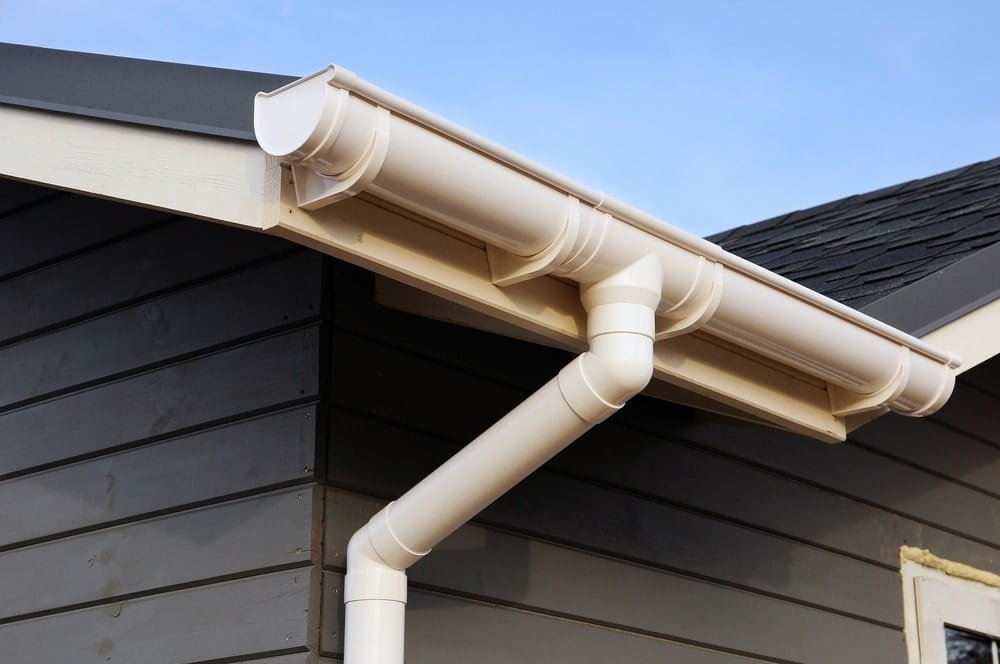
Downpipes are the mainstays of rainwater drainage systems, channelling water away from walls and roofs. If they leak or become blocked, however, serious problems can develop.
Leaking water can cause internal and external damage to the home. It can also trigger mold growth.
If you suspect a downpipe blockage, start by using a ladder to remove the debris. Start climbing up the wall removing sections of pipe, and then probing them using a drain rod that is flexible.
Clean the area
A blocked downpipe could cause serious problems in your home. Walls that are damp and structural damage can be caused by the downpipe being blocked. This is due to the fact that water that would normally drain from your gutters and roof but instead flow into your property. There are a few simple steps you can take to keep your gutters clear and ensure your downpipes flow freely. First, remove any debris that might have accumulated in your gutters. You can accomplish this using the telescopic ladder or by asking someone to help.
Then, you should run water down your downpipe. You can do this by directing a hose into the downpipe and gradually increasing the pressure. This will flush out any accumulated dirt and may dislodge the obstruction. If this doesn't work, you can use a chemical degreaser. Follow the directions of the manufacturer since these products are hazardous in the wrong hands.
Installing mesh guards on your gutters is another way to prevent blockages. These guards function as sieves and help to separate out larger pieces of dirt, such as fallen leaves or twigs. They are especially useful in the event of trees being nearby because they are the primary reason behind obstructions to the downpipe. It's also a good idea to clean your downpipes on a regular basis with a garden hose. This will keep them clean and free from blockages.
If your downpipe is damaged, it's important to clean the area around it before applying the sealant. This will stop any further leaks from developing and it's recommended to paint your gutters with a waterproof paint. This will stop the rust from developing and make them easier to clean.
Guttering Specialist is recommended that you clean your downpipes twice each year to keep them from clogging. This will help to keep them in good condition and prevent costly damage from leaves and twigs. It is also recommended to remove any ice that has accumulated in your pipes in cold weather, since frozen water can cause obstructions. It is recommended to invest in a pair of gloves and a face mask to protect your skin from dust is vital to accomplish this task.
Sealant application
If a downpipe has been damaged, it can leak and cause damage that's not visible. If this happens, it's crucial to act quickly. There are a myriad of options to repair the damage and avoid further damage. One option is to use a silicone compound that adheres to wet surfaces. This simple solution can be used in a variety areas around the house.
A PVC cement can also be used to repair the damaged part of the pipe or joint. Before applying the PVC cement make sure to clean the area thoroughly. Also, ensure that no water can reach the area that is damaged. Then apply the cement according to the directions of the manufacturer.
It's also an excellent idea to scrub the areas around the downpipe. This will help prevent future issues and prolong the life of the pipe. It is essential to properly reconnect the downpipe. When doing this, make sure you use anti-seize bolts. If you don't, the bolt may break or cross thread and cause more problems.
You can seal the downpipe's joint that is leaking by using rubber repair tape or silicone. This type of tape is available at most hardware stores and is simple to use. Simply wrap it around the damaged area of the downpipe, ensuring to completely cover the crack or hole.
Another easy way to repair downpipes is to make use of epoxy resin. It is a versatile substance that can seal cracks, join materials, and fill holes. To apply epoxy, first wash the area and let it dry completely. Mix the epoxy according to the instructions of the manufacturer. After the epoxy has been mixed, apply it to the area in need of repair.
It's important to keep in mind that blockages and leaks are the primary cause of damage when fixing your downpipe. By keeping your downpipes in good condition you can lower the chance of damage by preventing accumulation of bird's nests and other debris. It is also recommended to replace the downpipe that is damaged as part of your cleaning routine to ensure it is safe for use when the weather turns colder.
Reinstall the downpipe
If it is caused by extreme temperatures, heavy rains or even the ladder being pushed against the downpipe damage to your guttering can lead to serious problems. While cleaning will help keep a leak from happening however, it is worthwhile to consider a longer-lasting solution such as replacing the damaged section.
If the downpipe leaks from the top, it's usually a sign that there is an obstruction. Try to clear it by covering the drain and turning on the water, then redirecting it upwards. It may take a few times, but in the event that the water is kept back by the accumulated debris, you'll be able to remove it.
A downpipe could become loose when the joints connecting them have gotten themselves loose. This is typically an indication of aging, especially with older PVC downpipes. To correct this, clean the the joint and remove any old paint or rust. Depending on the condition of your guttering maintained, you can either repair the existing joints or replace them with galvanised joints.
If you are replacing your downpipe, it's an excellent idea to think about opting for aluminium instead of plastic. It is more durable and does not suffer from any of the issues that plague less durable plastic alternatives.
It is also worth adding a gutter guard to avoid blockages in the future. They're available at most DIY stores and are simple to install. They are designed to keep huge amounts of debris from entering the gutters and you will get a variety of sizes to fit any property.
As a rule the gutters should be drained into an area of soakaway or surface water drain instead of the main drainage system. This will reduce the risk of flooding and keep your garden and driveway free of puddles.
Speak to an expert in your local Selleys branch If you have any concerns or questions regarding the condition of your guttering. They will advise you on what solution is the best one for your needs. Their knowledgeable team can visit your home to examine and clean your downpipes, giving you peace of mind that you are protected from the elements.
Repair the damaged section
A downpipe is an essential element of your plumbing system, but it can be difficult to fix if there's an issue with the. Fortunately, there are several methods to fix your damaged downpipe. Sealant can be applied to the area surrounding the pipe. This will strengthen the connection and prevent future leaks. Another option is to repair the damaged portion of the pipe. This could be costly but it is worth it when the leak is serious.
The first step to fix a downpipe is cleaning the area. This will remove any dirt or debris that could be creating the leak. Once the area is cleaned then you can apply sealant to the damaged part of the pipe. Apply the sealant carefully and ensure that the pipe is fully covered.
If your downpipe is leaking from the middle, it can be difficult to determine the source of the leak. The best way to do this is to run a wire that has an attachment made of metal through the downpipe, and then look for any areas where it is blocked. If you spot the blockage, dig the pipe up to see what is the cause.
Another option to repair the downpipe is to use epoxy resin. This material can be used to fill cracks or joints in PVC pipes. Before using epoxy resin, it is important that the area affected by damage be cleaned. Also, adhere to the manufacturer's guidelines when mixing and applying the epoxy. After it has dried it is time to check the pipe for leaks.
The final method of fixing the downpipe is by using fiberglass resin cloth. It has a similar appearance to resin tape but can be used for larger areas. To apply this product, you will need to clean the pipe, then sand it lightly, and create a more firmly adhered surface. Then, wrap the cloth around the damaged area and use a hose clamp to hold it in place. This repair is long-lasting, but not as watertight as a replacement pipe.